
Brainspotting Trauma Therapy for Traumatic Brain Injury

Anyone who’s sustained a concussion, or a traumatic brain injury (TBI) has, by definition, had a traumatic experience. TBI’s primarily occur when there’s been an impact to the head, although it’s possible to have a TBI without hitting your head. Sustaining a concussion is not only a physical trauma to the body and brain but can oftentimes also be psychologically traumatic. 

Psychological Trauma and PTSD

The majority of patients we treat at the Colorado Concussion Clinic have sustained TBIs during motor vehicle collisions and falls, with a few who have been injured while playing sports or who have been assaulted. Psychological trauma can occur from these instances if they were life-threatening or were even perceived to be life-threatening. 

Some, but not all people who’ve had a TBI will go on to develop Post Traumatic Stress Disorder (PTSD). PTSD can involve nightmares, flashbacks (feeling as if the trauma is happening again), and/or distressing memories of the traumatic experience. It often involves feeling anxious when reminded of the traumatic event, whether reminded by people, places or things that seem related to the trauma. People experiencing PTSD tend to avoid thinking or talking about their trauma due to the distress that it causes them. PTSD can also include other symptoms such as irritability, difficulty concentrating, sleep problems, feeling “super alert,” and easily startled.

How to treat PTSD

There are a number of treatments for PTSD, including different types of mental health therapy and medication. If PTSD is really interfering with your life and you are interested in trying medication, talk to your doctor about options to help support you. 

Talk therapy may be helpful with teaching coping skills, problem-solving, and helping you feel supported. However, it doesn’t always get to the root of healing the trauma. There are some trauma-specific therapies, including Eye Movement Desensitization and Reprocessing (EMDR) and Brainspotting that aim to help the part of the brain that trauma directly impacts, the limbic system. 

Brainspotting as a Trauma Therapy

At the Colorado Concussion Clinic, we offer a trauma therapy called Brainspotting. It can help access and process trauma in a way that talk therapy often is unable to. It can help target emotions, memories, and body sensations that are connected to the traumatic experience. In doing so, this treatment can allow the brain and body to more fully process the trauma to help it resolve and heal.

Next Steps

If you have had a TBI and believe you are experiencing symptoms of PTSD, don’t hesitate to reach out and get scheduled with a medical provider and/or our mental health therapist. You’ve been through enough. Don’t suffer alone!
Why Concussions Can’t Be Treated by a Chiropractor Alone

Brain

When someone sustains a concussion, a neck injury often occurs at the same time. These injuries share many overlapping symptoms, which can make recovery feel confusing. It’s common to hear suggestions like, “You should see a chiropractor.” While chiropractic care can be helpful for certain aspects of recovery, concussion management is much more complex than spinal alignment alone.

A concussion is a brain injury, and because the brain influences nearly every function in the body, effective recovery requires a team-based approach that goes beyond the musculoskeletal system.

Yes — the Neck Matters

After a concussion, the neck (or cervical spine) often plays a major role in symptoms. The sudden acceleration-deceleration forces that cause the concussion also strain the neck’s joints, muscles, and nerves. This can lead to:

  • Headaches

  • Dizziness

  • Neck pain

  • Visual disturbances

  • Difficulty with balance

In these cases, manual therapy or gentle chiropractic work can help reduce neck-driven symptoms and restore proper movement patterns. But that’s only one piece of the puzzle.

But the Brain Does Much More

A concussion affects how the brain processes, coordinates, and integrates information. Even when the neck is functioning perfectly, the brain may still be struggling with:

  • Visual processing: difficulty reading, eye strain, or double vision

  • Vestibular control: dizziness, motion sensitivity, or imbalance

  • Cognitive function: trouble concentrating, remembering, or multitasking

  • Emotional regulation: anxiety, irritability, or mood swings

  • Energy management: fatigue or feeling “foggy” despite rest

These are neurological and cognitive symptoms, not structural issues — meaning they cannot be corrected through spinal manipulation or adjustments alone.

The Importance of a Multidisciplinary Approach

Concussion care should be individualized and evidence-based. At Colorado Concussion Clinic, our interdisciplinary team includes:

  • Speech-Language Pathologists for cognitive and communication recovery

  • Physical Therapists for balance, vestibular, and exertion training

  • Neuro-optometrist and Vision Therapists for visual rehabilitation

  • Mental health therapist for counseling

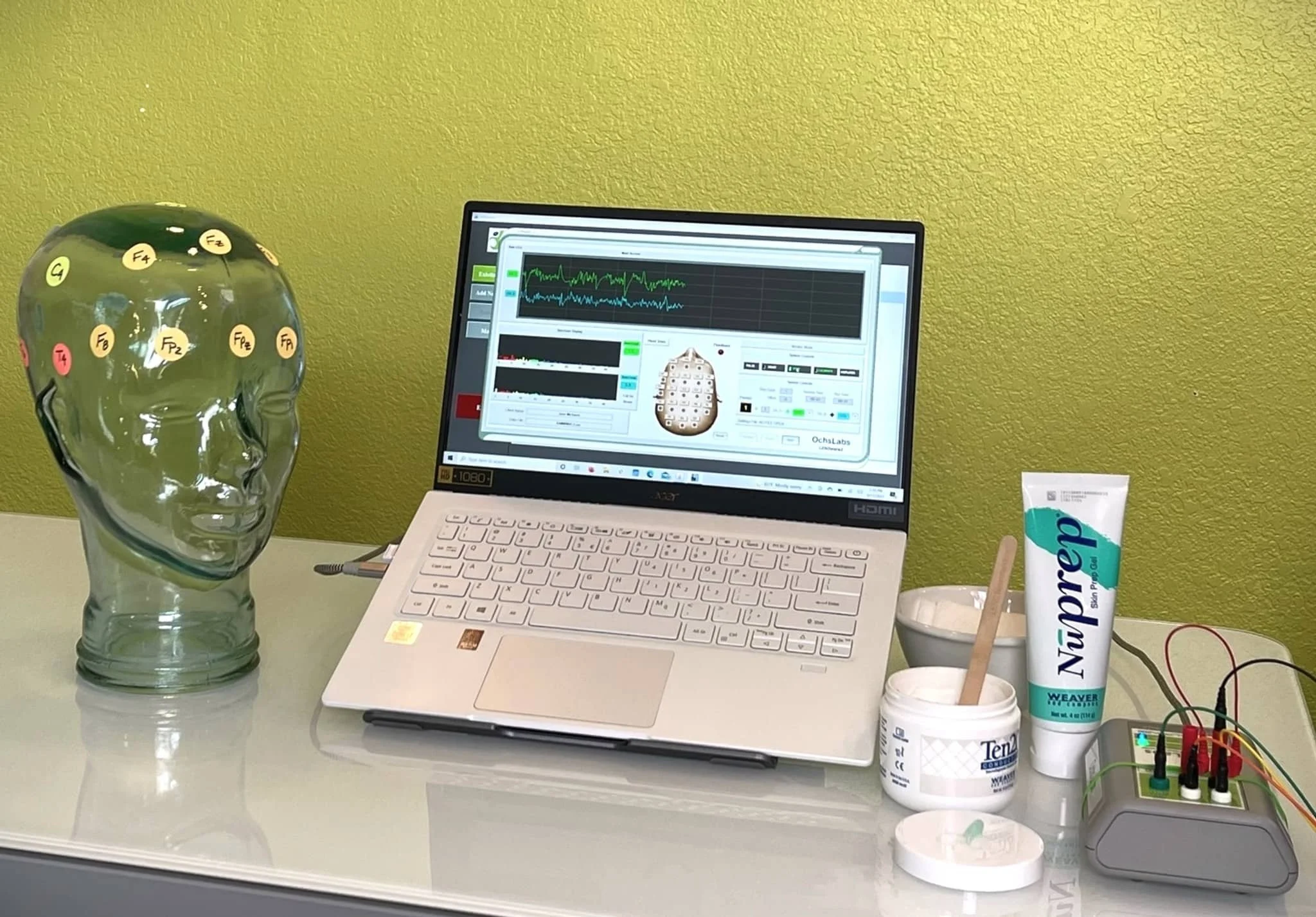
  • Neurofeedback to further support healing of the brain and body

  • Neurologists 

  • Collaboration with other medical specialists when needed

This integrated approach ensures that both the neck and the brain are treated — addressing the root causes of symptoms rather than just managing one component.

The Takeaway

A chiropractor may be part of a well-rounded recovery plan, but concussion treatment must go beyond neck adjustments. The brain drives vision, balance, attention, and emotion — all of which require specialized, neuroscience-informed rehabilitation.

If you or someone you know is still experiencing symptoms after a concussion, it’s important to get a comprehensive evaluation from a team trained in mild brain injury and neurorehabilitation. With the right care, recovery is possible — and you don’t have to navigate it alone.

Innovative Concussion Care: Stories of Recovery with LENS Neurofeedback

Living with head injury can feel impossible. Navigating simple tasks - exhausting. And add the erratic and strange symptoms – forget about it. 

It doesn’t have to be this way forever. 

Patients are often told to go home, get a lot of rest and hope for the best. At the Colorado Concussion Clinic, you can expect to actually address symptoms and receive innovative therapies shown to dramatically improve functioning. 

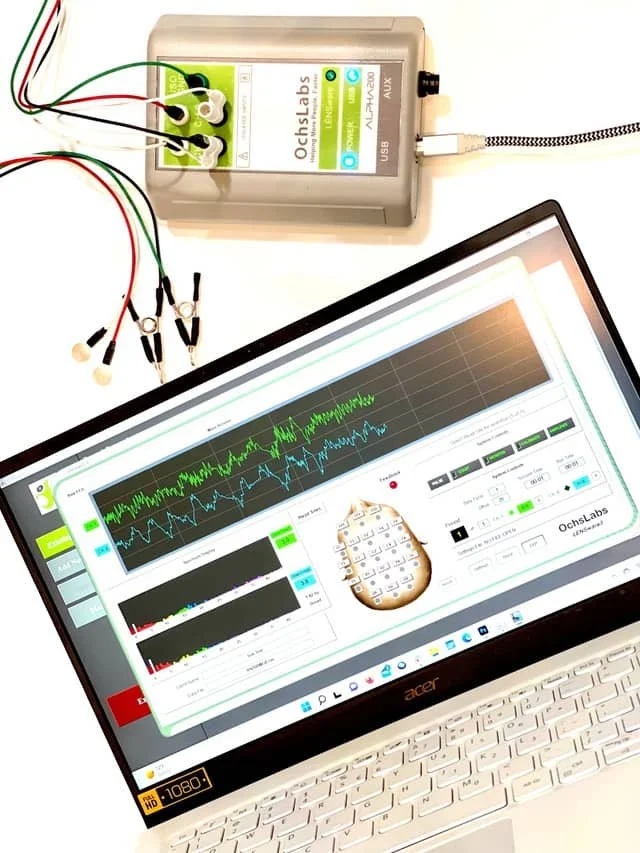
The Colorado Concussion Clinic has opened a Neurofeedback practice and now offers a technology that assists in brain injury recovery called Low Energy Neurofeedback (LENS). 

This gentle form of biofeedback allows the nervous system to shift out of a stress response using a tiny radiowave frequency that traces brainwave function, allowing the brain to sense and repair inefficiencies. 

LENS therapy has been shown to result in “reports of restored cognition, reduced headaches, and even recovery of smell after head trauma” (Hammond, 2007, 2017).


The results speak for themselves. 


Actual Results with LENS 

CASE 1. 

19 y.o. boy concussed at age 3 - closed fracture occipital region, roll-over accident at age 

18 with a second closed head injury, suffering from:  

• Headaches (mild chronic and severe): 8/10 

• Hypervigilance / OCD (since age 3): 6/10 

• Head fog / poor concentration: 7/10 

After 12 sessions of treatment:  

• Headache and pain: 2/10 

• Hypervigilance / OCD: variable 4-6/10. 

• Head fog / poor concentration: 2/10 

• Reported: more engaged, more productive, more restorative and regular sleep and ready to start college. 

CASE 2.  

45 y.o. mother of five with head injury due to illness, lyme disease and hashimotos. 

• Fatigue (10/10) 

• Dizziness (8/10) 

• Poor sleep (9/10) 

• Unable to focus or read. 

After 12 sessions of gentle treatment - less than 2 seconds:  

• Fatigue (5/10) * recovering from adrenal insufficiency 

• Dizziness (0/10) 

• Poor sleep (2/10) *regained 8 hours of sleep after the first session. 

• Reported: now able to read and focus for extended periods of time. 

CASE 3.  

42 y.o woman who suffered double car accidents with multiple concussions and PTSD: 

• Hypervigilance: 7/10 

• Anger: 8/10 

• Sleep: 7/10  

• Clarity and focus: 7/10   

After 24 sessions of LENS therapy:  

• Hypervigiliance: 3/10 

• Anger: 3/10 

• Sleep: 3/10 

• Clarity and focus: 3/10 

• Reported: duration of focus shifted from 20 minutes to 2 hours allowing client to go 

back to school for a new career. 

Traditional wisdom says that head injury is something you have to live with. 

It is time to differ. Your brain can recover by repairing itself. 

In addition to the broad cognitive and physical therapies offered at Colorado Concussion Clinic, consider LENS Neurofeedback training. Most patients experience an improvement in energy, mood, clarity, and overall executive functioning. 


This therapy is incredibly safe and effective (fewer sessions than traditional Neurofeedback) and has been used successfully in over 1,000,000 patients (Ochslabs.com)


Schedule your first LENS brain mapping today. 

Why Do I Still Have Symptoms Months After a Concussion?

The brain is brilliant at survival, which can make your recovery more difficult. 

A head injury can change everything. Your brain is smart - and adaptable. However, due to the nature of head injury or whiplash, your brain may stay locked into a protective response, long after the danger has passed, stalling your healing process. 

How LENS Neurofeedback Works - A Novel Therapy for TBI and Head Injury Recovery

Living with Lingering Symptoms After a Head Injury

If you’ve experienced a concussion or head injury, you know recovery can feel frustratingly slow. Even months later, you might still struggle with:

  • Poor cognitive function or brain fog

  • Trouble thinking or concentrating

  • Sensitivity to light, sound or movement

  • Mood changes like anxiety, irritability or depression

  • Anxiety, depression or irritability

  • Chronic headaches, chronic pain or body tension

  • Poor energy or sleep

For many patients, these symptoms can get worse over time after head injury and may not resolve even with rest, medication or therapy alone. 

That’s where LENS neurofeedback, a form of brainwave disentrainment can make a big difference.

What Is LENS Neurofeedback?

LENS (Low Energy Neurofeedback System) is a gentle, non-invasive brain training method. It works by sending a tiny, imperceptible radiowave signal through sensors placed on the scalp. The brain picks up on this signal, which is small enough to get underneath neuroprotective filters. This signal helps the brain outline and sense its own functioning, and the brain responds (the feedback) by releasing “stuck” and inefficient patterning created by injury or trauma. 

Think of Traumatic Brain Injury like a traffic jam in the brain: after an accident, your brain compensates by protecting and slowing down blood flow and neural pathways around the injury, causing symptoms such as reduced cognitive functioning, headaches and brain/body scrambling.

Slowing down in one part of the brain affects other areas, and eventually entire areas of ‘the city’ become less efficient. It takes more and more energy to function in your life and things that were once easy, become a chore. 

The LENS acts like traffic control, helping the brain sense these inefficiencies and access new resources (increased blood flow, neural signaling) to heal. 

Your own brain provides the feedback, as it traces the tiny signal from LENS and exercises out of stuck, inefficient pathways. 

How LENS Supports Concussion Recovery

  1. Reduces Stress on the Body and the Brain – LENS is FDA cleared for Stress. The LENS calms overactive fight-or-flight responses, giving your brain and nervous system the support it needs to regulate and repair itself.

  2. Restores Clarity – Patients often report clearer thinking, better focus, increased concentration and reduced brain fog.

  3. Improves Sleep & Mood – By helping regulate the nervous system, LENS supports better sleep patterns and emotional balance.

  4. Accelerates Progress in Therapy – When your brain is less stuck,it becomes receptive again to other treatments (cognitive, speech, vision, or physical therapy) often become more effective.

  5. Releases NeuroMuscular Tension + Trauma Patterning - After an accident, the biggest challenge to the brain is the body. When the brain senses motor trauma, or neuromuscular patterns of gripping in response to an accident, functioning slows. The LENS can also be used on the body to release muscle tension, directly influencing the nervous system to repair neuromuscular or structural issues, recover from panic, anxiety or PTSD and reduce chronic pain signaling. 

What to Expect in a Session

  • Small sensors are placed on the scalp and ears.

  • The system measures brainwave activity and sends back a signal slightly offset from what it reads.

  • Sessions are very brief — often just a few minutes of stimulation.

  • Entirely Passive! Patients don’t need to “do” anything — your brain does the work.

Most people find the process relaxing, and depending on sensitivity, patients experience gradual or faster changes in mood, energy and cognition as the nervous system reorganizes. 

For 24-48 hours after a session, patients might experience responses based on nervous system changes such as: changes in energy, sleep, brief echoes of past symptoms, increased dreaming, or in the case of trauma - the release of memories without much emotional content. 

Is LENS Right for Post-Concussion Symptoms?

If you’re still experiencing headaches, brain fog, cognitive slowing, mood swings, or sensitivity after a concussion, LENS may help. 

Talk to your doctor and wait at least 2-4 weeks after a major concussion to give your brain time to rebalance, and then try a LENS session. It’s especially supportive when nothing else has worked, or for people who feel stuck in recovery. The LENS can even be helpful for people who are too sensitive to tolerate more stimulating therapies.

Citations: 

Hammond, 2007 (Anosmia). Case reversal of anosmia post-head injury with LENS.

Hammond, 2010 (QEEG TBI case). Quantitative EEG improvement post-LENS.

ISNR Journal 2006 issues. Multiple TBI-related LENS case series.

Larsen, 2009. Theoretical fit of LENS for TBI.

Nelson & Esty, 2012. Veterans with TBI/PTSD – symptom reduction.

Nelson & Esty, 2015. Chronic TBI-related headaches improved with FNS.

Schoenberger et al., 2001. Early randomized trial—FNS in mild to moderate TBI.

St. Clair, 2008. TBI from AVM – LENS application report.

Anxiety, Panic Attacks and Concussions

After a traumatic brain injury, some people experience anxiety or panic attacks. They don’t occur in everyone who’s had a concussion, however, they can happen. 

What’s the difference between anxiety and panic attacks? 

Are they the same thing? Well, yes and no. Panic attacks are a type of anxiety and anxiety is just a more general term. 

Anxiety is a general sense of worry that may be difficult to control. One may experience racing thoughts about a number of things including worrying about things that haven’t happened yet or worrying about situations that have already happened. Everyone feels stressed sometimes, but anxiety may feel like it’s impacting your functioning at work, at home, or in your relationships. It may feel difficult to relax, sleep or eat and you may experience tightness in your body. 

On the other hand, panic attacks can have a sudden onset, often lasting for 10-60 minutes. Common symptoms include shortness of breath, chest pain, trembling, hot or cold flashes, heart palpitations, sweating, nausea, and numbness. Sometimes people aren’t sure why they experience panic attacks as they can feel like they “come out of nowhere.” It’s my professional opinion that panic attacks occur when people are under a lot of stress or have had traumatic experiences. Getting a traumatic brain injury (TBI) or concussion is, by nature, a traumatic experience. 

What do I do if I am having anxiety or panic attacks after getting a concussion? 

If you haven’t already, you should see a doctor to get your concussion evaluated and treated. They may have a myriad of treatment recommendations to help you start feeling better including possible medications as well as different therapies.  

Make sure you are engaging in basic self-care like getting enough sleep, drinking plenty of water, eating nutritious foods, and moving your body in a way that feels good to you. This will help aid in your concussion recovery, support your overall health, as well as support your mental health. 

Then I would recommend seeking out a mental health therapist or counselor to help support you with your anxiety or panic attacks. Counseling can help you explore the cause(s) of your anxiety/panic and ways to cope with it. 

Reach out today!


At Colorado Concussion Clinic, we have a mental health therapist who can support you toward feeling better from anxiety and panic attacks after sustaining a concussion. Reach out today to schedule an initial appointment!

Why You Need a Thorough Neuro-Optometry Evaluation if You’re Having Vision Problems After a Concussion

If you've experienced a concussion and are dealing with ongoing vision problems, a thorough neuro-optometry evaluation is essential. Unlike a standard eye exam, which primarily checks for eye health and visual acuity, a neuro-optometry evaluation goes much deeper, addressing the complex systems that control how we process visual information.

Concussions and Grief | Thoughts from a Denver Concussion Therapist

You had a head injury and now everything has changed. You may not be able to think clearly, you’re having issues with your memory or concentration, and tasks that were easy for you before are now challenging. Some people may also experience ongoing headaches, problems sleeping, and other physical symptoms. There can be a lot of grief and loss associated with getting a concussion and the ramifications of it.

Celebrating the Holidays with a Concussion: A Survival Guide

It’s the last 6 weeks of 2024, and we’ve officially entered the holiday season. Christmas music is playing, lights are going up on buildings, and people are getting into the festive spirit. Holidays are meant to be a fun time of the year, hopefully spent with loved ones. However, this year could be a little different if you’ve recently sustained a concussion. Holidays may now feel overwhelming and overstimulating. But with the following tips, you can prevent the worst of the symptoms. 

How Long Do Concussion Symptoms Last?

This is a question we are asked quite often here at the Colorado Concussion Clinic. It is a difficult one to answer, as there is no definitive timeframe for recovery from a brain injury, and no way to fully predict how long any given individual will take to feel fully recovered. Everyone recovers slightly differently, and every human brain is unique. 

Are return to play protocols sufficient? Or are we sending athletes back too early, leaving them susceptible to additional injuries?

CTE is a neuro-degenerative condition that is caused by repeated head impacts. Researchers found that even sub-concussive blows (i.e., the hits that an offensive/defensive lineman would incur on every play) can cause CTE even though the impacts don’t meet the criteria of a diagnosable concussion.[1] For those who did sustain a concussion, it has been shown that sustaining a second concussion before fully healing from a prior concussion significantly increases the risk of a protracted recovery time and more severe cognitive, physical, and emotional symptoms.

Why are you suffering from long-COVID and when will you get better? Here’s what we know…

As a cognitive therapist, I have seen an increasing number of patients who are suffering from what has been termed “long-COVID” symptoms. Based on my own (completely unscientific) analysis, there is not a single link that would determine why they all suffer from extended symptoms. They are varying ages, both male and female, have differing occupations and educational levels, etc. Some have significant prior medical issues, and some were healthy with no complaints. So, I turned to the research to see if the people who actually get paid to study this stuff came up with anything better.

Headaches ... "They come out of nowhere"

One of the most prominent symptoms of concussion is headache. After a concussive injury headaches are often the main symptom that impacts one’s daily functioning. One moment you might be effectively managing your pain and then the next thing you know you have a significant headache that causes you to stop what you are doing. Patients often remark, “It just came out of nowhere!”

Do I need to see a neurologist?

You’ve just sustained a concussion, which is a mild traumatic brain injury. You might be wondering if you need a neurologist on your team, since neurologists diagnose and treat disorders of the brain. This is a great question, and one we get all the time.

In most cases, it is not necessary to see a neurologist following a concussion. A lot of our patients go to the ER to get checked out in the first few days, which is a very appropriate course of action. If there is no concern for brain bleed or need for surgery, they are typically told to follow-up with their primary care physician, or PCP. Ideally the PCP will give the patient some guidance for how to manage the symptoms during the acute phase and refer them to a concussion specialist. Getting care for your concussion early has been shown to decrease the risk of persistent post concussive syndrome.

What’s most important to your recovery, is having a medical professional on the case who has extensive knowledge of the typical and atypical courses of concussive injury, as well as the treatments available. Concussion management has dramatically evolved over the years, and it is important to understand that not all doctors, including neurologists, might be up to date. BEWARE of physicians who tell you to sit in a dark room for a week, or that there is nothing you can do but wait for your symptoms to go away. We now know that getting care within even as little as 36 hours post injury improves your chances of a shorter and faster recovery.

Helping Family Members with Concussion

When someone has a broken leg, it’s pretty obvious how we can be helpful. We can drive them places, open doors for them, carry their groceries, etc. Concussion is a different kind of injury. It is known as “the invisible injury” because it is not externally obvious to others. There’s no cast, no crutches, and it doesn’t even show up on a CT scan. The individual often struggles with thinking, overstimulation, and fatigue, among other things. Sometimes people aren’t sure what they can do to help. The answers may vary, depending on the individual, but here are some general tips for how to help someone you know who has had a concussion.

I’m not as young as I used to be...How do I know if my symptoms are due to concussion or early dementia?

As a speech-language pathologist who has focused on treating adults with neurological deficits, I hear this question ALL. THE. TIME. It’s understandable that people become very concerned whenever they have changes in their memory. And unfortunately, there is no easy answer. But hopefully the information in this blog post will provide you with the information you need to help answer this question.

Unfortunately, many of the signs of early stage dementia are also symptoms of concussion. These common signs include forgetfulness, trouble concentrating as long as you used to, difficulty finding the right words, changes in behavior/mood, and difficulty completing daily tasks. Therefore, it can be very difficult to determine if you have dementia based solely on those symptoms. One of the biggest ways to differentiate between the two is that you can typically make progress and recover after a concussion, but dementia typically gets progressively worse over time. If you did not notice any difficulties prior to sustaining your concussion, and then acute changes occurred, that would lead me to believe that the issues are concussion related. It is also possible that you are experiencing some normal cognitive decline (we call that getting older).

What is Biofeedback?

When your child experiences chronic pain, it can cause him/her to experience emotional pain as well.

For example, your child may feel anxious about when the pain will go away or "bummed" about not being able to enjoy a "normal" life. These emotional pain can also contribute to worsening physical pain, leading to a negative spiral.

After all, the pain can take control of your child's body and mind almost completely...

Naturally, you, as parents, want to do everything you can to "fix" and rescue your child. However, you may feel helpless at times when you can't resolve his/her problems.

If you are one of those parents, don't give up. There is hope.

Today I would like to talk about one of effective treatment for chronic medical and psychological conditions - Biofeedback therapy.